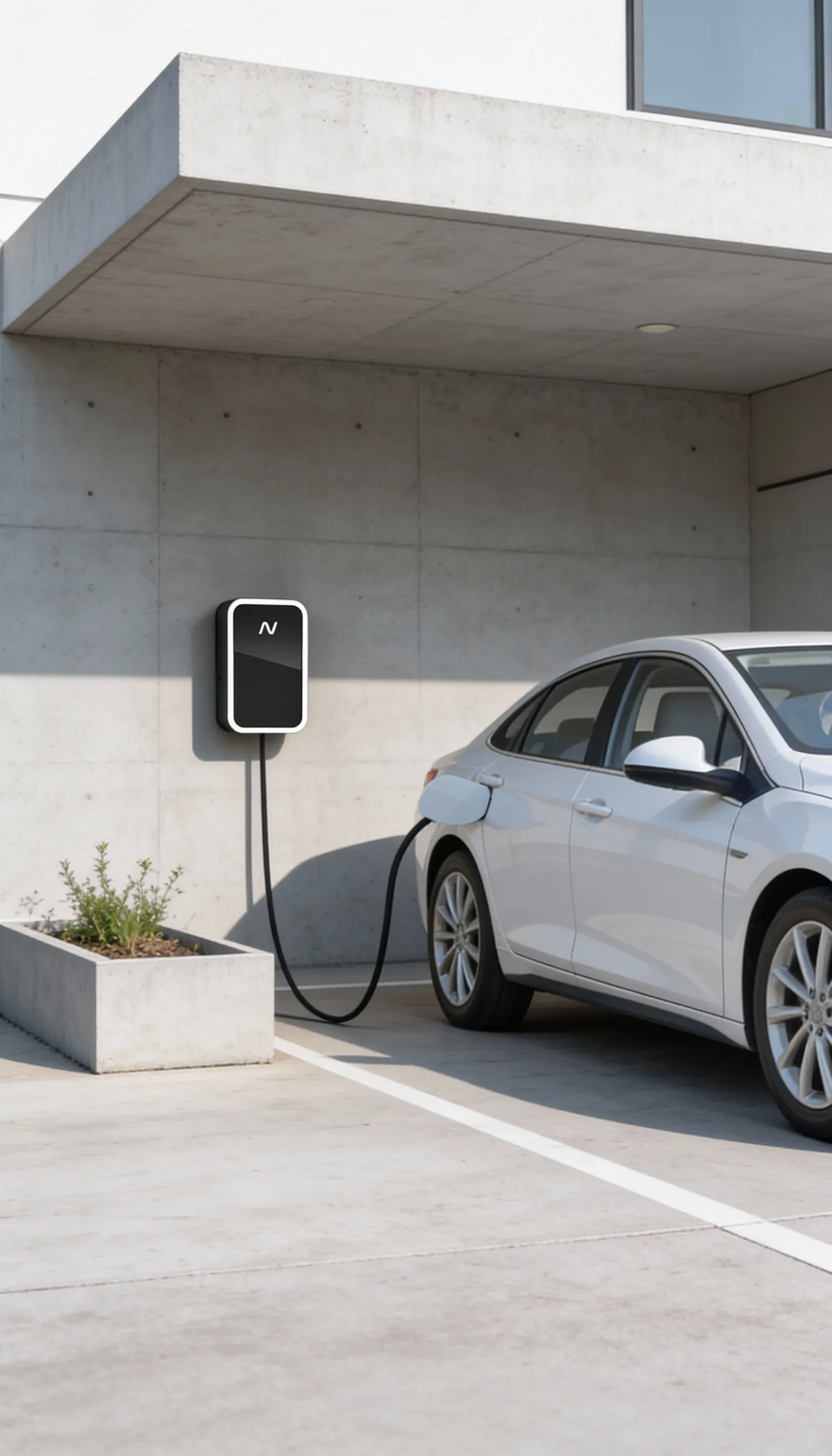

How instantTech became a Tesla premium partner in 6 months
It wasn't a commercial negotiation. It was a consequence of operating with data, deadlines and traceability from day one.

Francisco Regusci
COO · instantTech
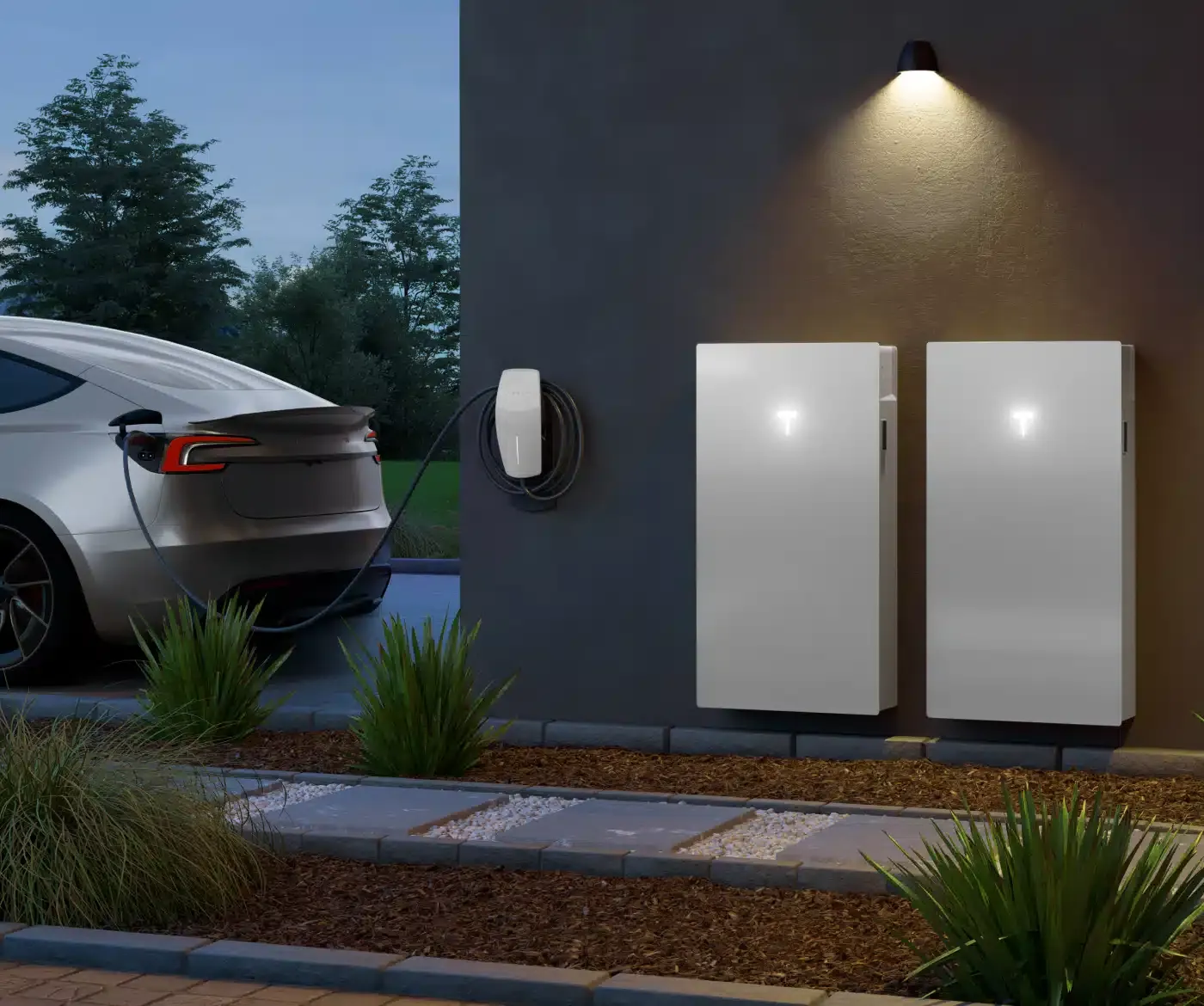
The starting point
When we started installing charge points we didn’t have a platform, we had vans. That stage was uncomfortable and, in hindsight, essential: we learned what breaks in a real installation, how long a legalisation actually takes and why an open-ended quote is bad news for everyone.
Out of that learning came one specific obsession: measuring. Every visit, every deviation, every after-sales issue went into a record. Not to produce reports, but to be able to promise lead times without crossing our fingers.
What a demanding manufacturer looks at
A manufacturer putting its brand in front of an installation doesn’t evaluate the pitch, it evaluates the risk. It wants to know how many installations you have done, in how much time, with what share of incidents and how you document every intervention.
The conversation with Tesla was exactly that. They asked us for operating data and coverage capacity, not a creative proposal. The difference was being able to answer with real metrics instead of estimates.
The three commitments that carried the process
The first, lead time: from request to completed installation in 72 hours on average, with tracking visible to the brand and to the end customer. The second, a price closed before signing, with no quotes reopened on site unless the declared distance was wrong.
The third, and the hardest to sustain, consistent quality. An installer network is only worth it if the customer can’t tell who is attending them. That’s where certification, training and a rating per installation came in — today the most closely watched indicator in the company.
Six months, four decisions
None of this would have fitted into six months without narrowing the scope. We decided not to install in countries where we couldn’t guarantee the standard, not to accept volume the network couldn’t absorb, not to ship platform features the operation wasn’t already using, and not to sell lead times we couldn’t prove.
Four noes that cost business in the short term and bought credibility in the medium term. Being recognised as a premium partner was never the goal: it was the signal that the standard was verifiable from the outside.
What we took from it
The lesson is boring and useful: in installation, whoever promises most doesn’t win — whoever can prove it does. Traceability isn’t bureaucracy, it’s the asset that lets you work with brands that can’t afford a bad experience.
Today that same standard is what we replicate in every new market. Operation first, scale second; never the other way round.
«They didn’t ask us for a presentation. They asked for operating numbers, and we had them.»
Federico Rodríguez Canabarro, CEO
4.9/5
Installer C-SAT
Average rating customers give the platform's installers.