Electrification is no longer a trend, it's the future
The EV fleet is growing faster than the infrastructure that supports it. The bottleneck is no longer the vehicle: it's the installation.

Federico Rodríguez Canabarro
CEO · instantTech

The demand is already here
For a decade, the conversation about electric mobility revolved around the product: range, batteries, entry price. That discussion is practically settled. Manufacturers have a full line-up, dealerships have stock, and consumers now compare electric models as naturally as they compared diesel fifteen years ago.
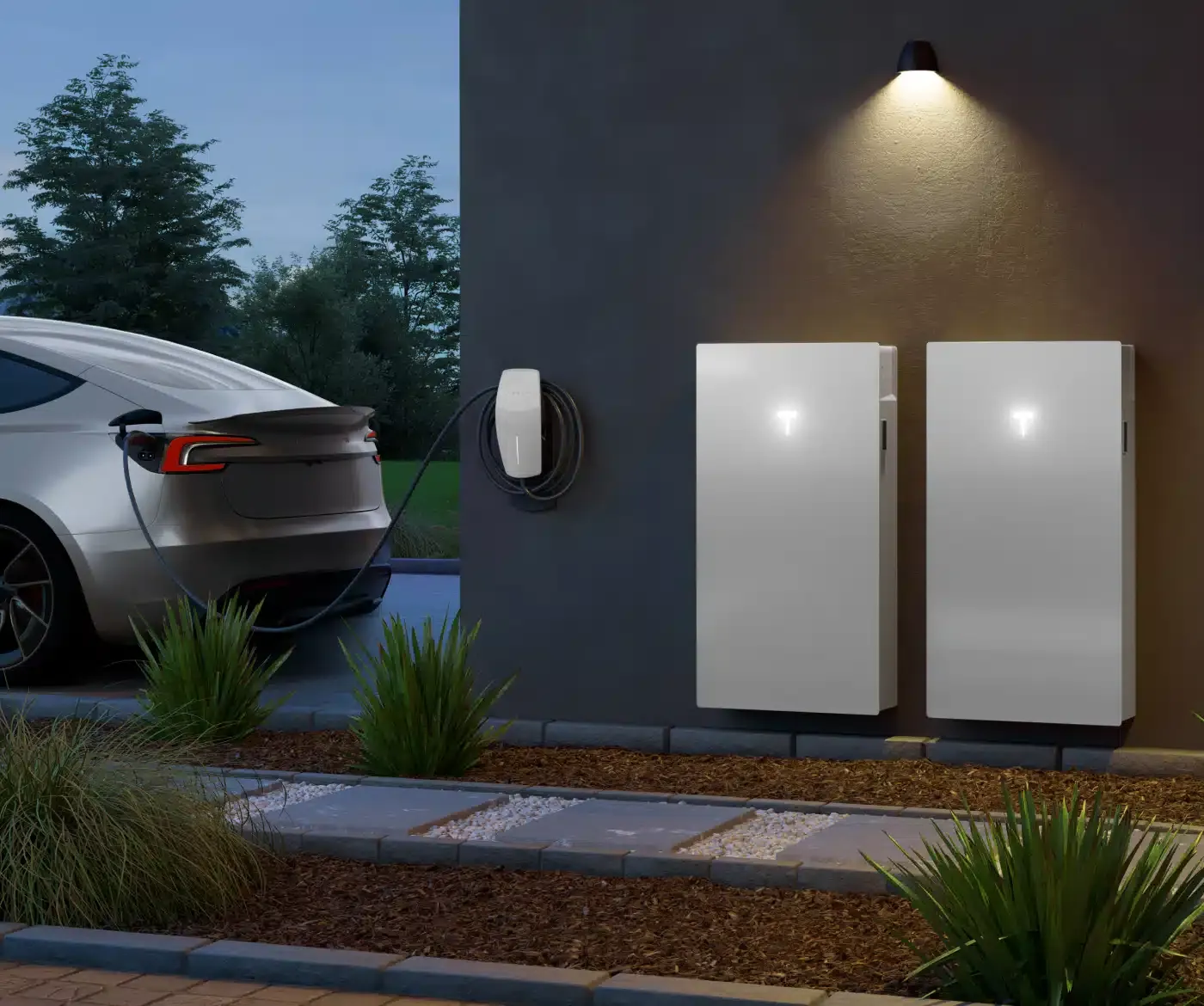
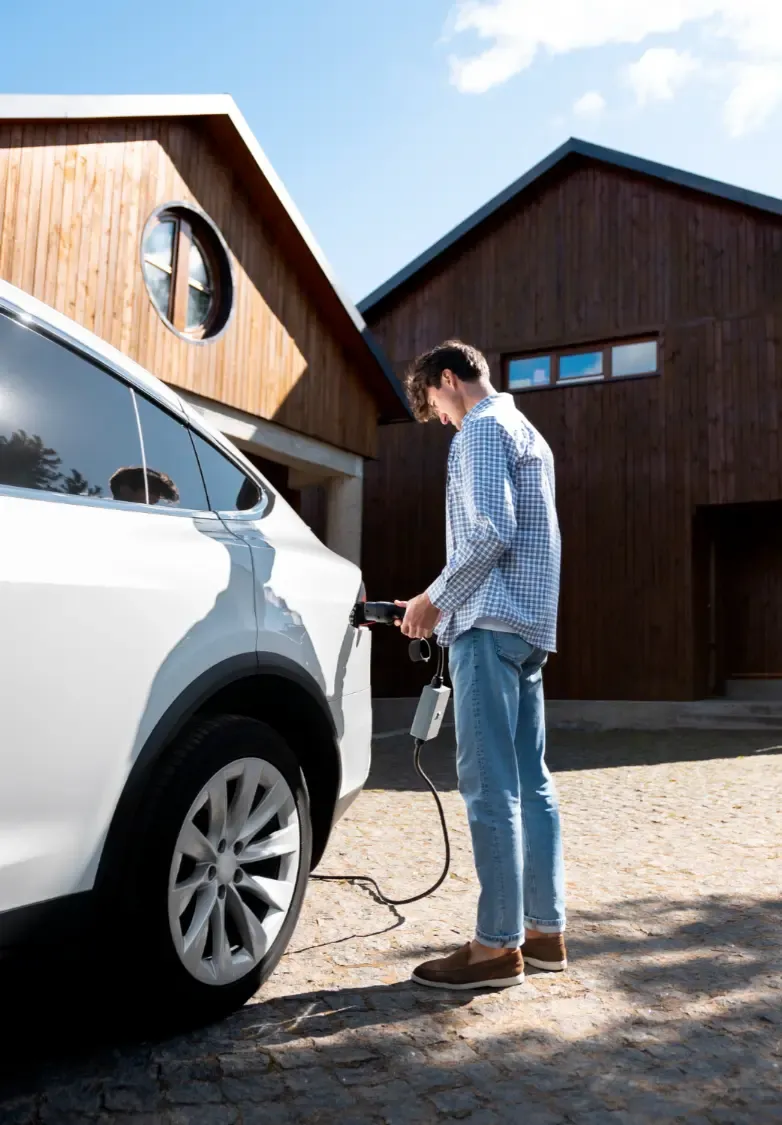
What hasn’t been solved at the same pace is home infrastructure. An electric vehicle with no charge point at home is a half-delivered product, and that last mile depends neither on the manufacturer nor on the seller: it depends on an installer who has to walk into a specific garage, with a specific electrical panel and a specific distance to the parking space.
The bottleneck has moved
When volumes were low, every installation could be treated as a one-off project: a site visit, a custom quote, two weeks of waiting. With thousands of deliveries a month, that model doesn’t scale. It turns into calls, emails, quotes that arrive late and customers who discover the real cost of their installation after they have already signed for the car.
The problem isn’t technical. Installing a charge point is a small job and perfectly standardisable. The problem is coordination: who assigns the work, who guarantees the price, who answers when something deviates and who leaves a trace of the whole process.
Why a fixed price changes the conversation
The biggest commercial friction isn’t the amount: it’s the uncertainty. A customer will pay for their installation, but won’t sign without knowing what it will cost. That’s why a price closed at the point of sale turns installation into one more product in the catalogue, with its own spec, price and lead time.
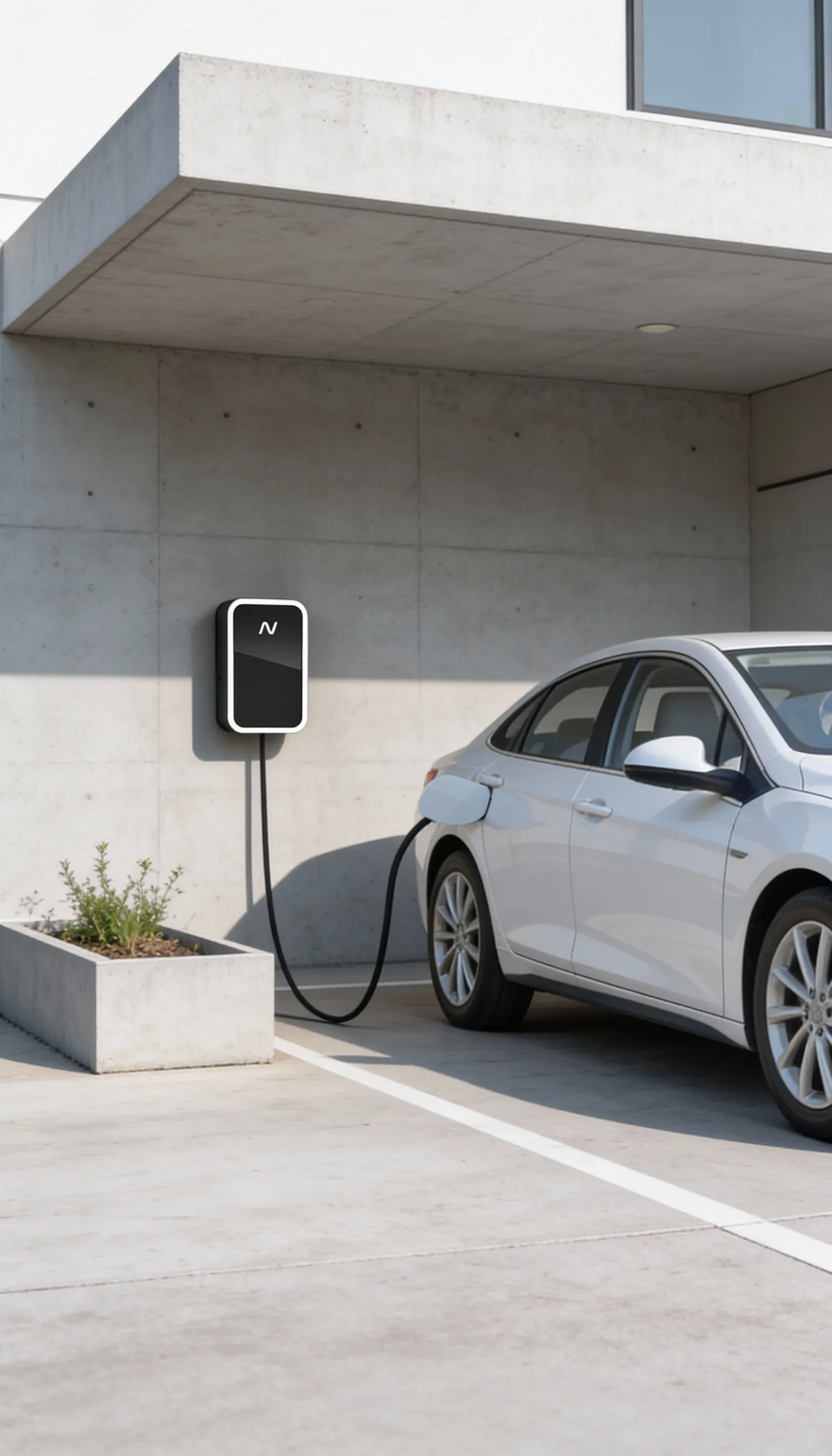
Calculating it doesn’t require a prior visit. Two variables the customer already knows are enough: the charger they want and the distance between the electrical panel and their parking space. With that, a quote can be closed in minutes and adjusted on site only if the declared distance doesn’t match.
Installation as a service layer
The natural consequence is to stop treating installation as an add-on service and start treating it as a layer: a network of certified installers, a system that assigns work by zone and a dashboard where any brand can see the status of every order in real time.
That layer lets a manufacturer, a dealership or a retailer sell installation without building a field operation. The brand stays the visible face; execution, SLA and legalisation sit behind it, handled by the people already working on the ground every day.
What comes next
Electrification of the vehicle fleet isn’t going to slow down, and with it the demands on installation will grow: shorter lead times, flawless documentation and a buying experience with no surprises. Whoever solves it first won’t win on price, they’ll win on reliability.
Our bet is explicit: our own certified installer network in Spain and Italy, with Portugal and France in preparation, and a platform available across Europe and LATAM so any operator can build on it from day one.
«The electric car stopped being the problem. The problem is everything that happens after the purchase.»
Federico Rodríguez Canabarro, CEO
72 h
from request to completed installation
Network operating average in Spain and Italy over the last quarter.